Precision Meets Speed The Benefits of CNC Turning in Swiss Machining
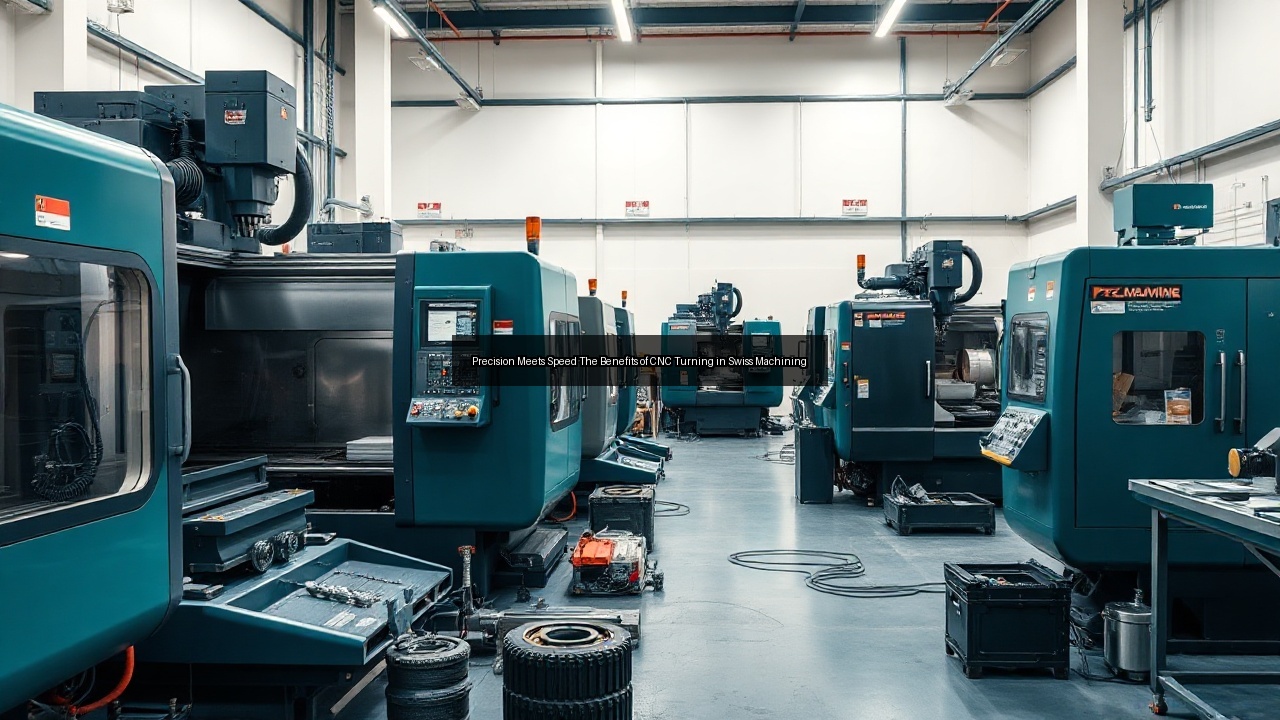
Understanding CNC Turning in Swiss Machining
What is CNC Turning?
CNC turning represents a manufacturing process where computer numerical control (CNC) machines, specifically lathes, transform raw materials into finished components. This process involves rotating the workpiece against a cutting tool to shape it into desired forms. CNC turning excels in producing cylindrical parts, making it indispensable in various industries. Common materials used include metals like stainless steel and copper, as well as plastics like PTFE (Teflon) and nylon. The precision of CNC turning allows for intricate designs and complex geometries, making it a vital component in modern machining.
The Role of CNC in Swiss Machining
Swiss machining, also known as Swiss screw machining, leverages CNC technology to enhance production capabilities. This method specializes in creating small, precision parts through a unique manufacturing process that utilizes sliding headstock lathes. The integration of CNC in Swiss machining significantly improves speed and efficiency, allowing for high-volume production without sacrificing quality. The CNC systems control the machining process with exceptional accuracy, ensuring tight tolerances and repeatability, which are critical for applications in sectors like aerospace and medical device manufacturing.
Key Differences Between CNC Turning and Traditional Machining
CNC turning differs from traditional machining methods in several crucial ways. Traditional machining often relies on manual operations, limiting precision and increasing the likelihood of human error. In contrast, CNC turning automates the entire process, allowing for consistent quality and high throughput. Another significant difference lies in the ability of CNC machines to handle complex designs with ease. While traditional methods may struggle with intricate parts, CNC turning capabilities enable manufacturers to produce detailed components like pins and screws more efficiently. This technological advancement has transformed the landscape of machining, making CNC turning the preferred choice for modern fabrication.
Benefits of CNC Turning in Swiss Machining
Enhanced Speed and Efficiency
The speed and efficiency of CNC turning in Swiss machining cannot be overstated. CNC machines operate at remarkable speeds, drastically reducing production times compared to manual machining methods. This efficiency translates into higher throughput and the ability to fulfill large orders quickly. For example, companies can produce thousands of precision machined components, such as threaded screws and acetal parts, in a fraction of the time it would take using traditional techniques. Furthermore, the automation inherent in CNC turning minimizes downtime, allowing operators to focus on other tasks while machines run continuously. This approach supports just-in-time (JIT) logistics management, ensuring that customers receive their products without unnecessary delays.
Precision and Accuracy: Meeting Tolerances
CNC turning guarantees exceptional precision and accuracy, which are essential in industries that demand tight tolerances. The advanced programming capabilities of CNC machines ensure that each cut is executed with exactitude, significantly reducing the margin for error. In Swiss machining, this level of precision is crucial, especially when manufacturing components for the aerospace sector, where safety and reliability are paramount. Every pin, screw, or machined part produced meets stringent specifications, thereby enhancing overall product quality. The ability to maintain such high levels of accuracy also reduces waste, as fewer parts need to be scrapped or reworked due to defects.
Materials Compatibility: From Stainless Steel to PTFE
CNC turning accommodates a wide range of materials, making it a versatile choice for various applications. From rigid metals like stainless steel and copper to softer plastics such as PTFE and nylon, CNC machines can handle diverse materials with ease. This adaptability is especially beneficial in Swiss machining, where manufacturers often deal with multiple materials in a single project. The ability to switch between materials without compromising quality or precision allows companies to streamline their operations. Whether producing intricate components for automotive applications or delicate parts for medical devices, CNC turning delivers consistent results across different material types.
Applications of Swiss Machining Services
CNC Machining in Aerospace
The aerospace industry heavily relies on CNC machining services, particularly for components requiring high precision and reliability. Parts such as fasteners, brackets, and housings must withstand extreme conditions, making the accuracy of CNC turning essential. Swiss machining excels in producing these components due to its ability to maintain tight tolerances while working with high-strength materials. The use of CNC technology enables manufacturers to develop intricate geometries that reduce weight without compromising structural integrity, contributing to the overall efficiency of aerospace vehicles. Companies like McCormick Industries specialize in providing aerospace-grade machined parts, demonstrating the critical role of CNC turning in this sector.
Screw Machined Components: Pins and Screws
Screw machining is a vital application of CNC turning, focusing on the production of small, threaded components like pins and screws. These components serve as critical elements in various assemblies across many industries, from automotive to electronics. The precision of CNC turning ensures that each screw or pin meets the required specifications for fit and functionality. The ability to produce large volumes of these components quickly and accurately allows manufacturers to maintain competitive pricing and meet market demands. Swiss machining’s efficiency in screw production not only enhances throughput but also ensures the integrity of each part, contributing to the reliability of the final products.
Volume Production and JIT Logistics Management
Volume production capabilities stand as a hallmark of CNC turning in Swiss machining services. The automated nature of CNC machines allows for the rapid creation of large quantities of parts, which is crucial for industries relying on high-demand products. Just-in-time (JIT) logistics management complements this capability by aligning production schedules with customer requirements. This approach minimizes inventory costs and enhances responsiveness to market fluctuations. By leveraging CNC turning, manufacturers can produce components on demand, ensuring that they meet customer needs while maintaining efficiency. This synergy between volume production and JIT logistics exemplifies the strategic advantages of modern machining services.
Choosing the Right Swiss Machining Service
Certification Matters: ISO 9001 Compliance
When selecting a Swiss machining service, ISO 9001 certification stands as a critical indicator of quality management standards. This certification ensures that the machining service adheres to internationally recognized practices, enhancing the reliability of their production processes. Companies that are ISO 9001 compliant demonstrate a commitment to maintaining high quality across all operations, from initial manufacturing to final inspection. This adherence to quality standards is particularly important in industries such as aerospace and medical devices, where even minor deviations can lead to significant consequences. Choosing a certified Swiss machining service offers peace of mind regarding the quality and consistency of the components produced.
Evaluating CNC Machining Services
Evaluating CNC machining services involves assessing various factors, including technical capabilities, experience, and customer reviews. A service provider must possess advanced CNC machines capable of handling the desired materials and specifications. Look for companies that have a proven track record in your industry, as this experience often translates into better results. Additionally, consider the level of customer service offered by the machining provider. A responsive and knowledgeable team can facilitate smoother communication and project management, ultimately leading to successful outcomes. Taking the time to evaluate potential partners ensures that you choose a Swiss machining service that meets your unique needs.
The Importance of Advanced Tools and Machines
The performance of Swiss machining services hinges on the quality of tools and machines utilized. Advanced CNC machines equipped with the latest technology can significantly enhance production capabilities, enabling manufacturers to execute complex designs with precision. Look for services that invest in state-of-the-art equipment, as this investment often correlates with superior output quality. Furthermore, advanced cutting tools can improve machining efficiency, reducing cycle times and increasing throughput. By prioritizing services that utilize top-tier machines and tools, companies can ensure that they achieve optimal results in their production processes.